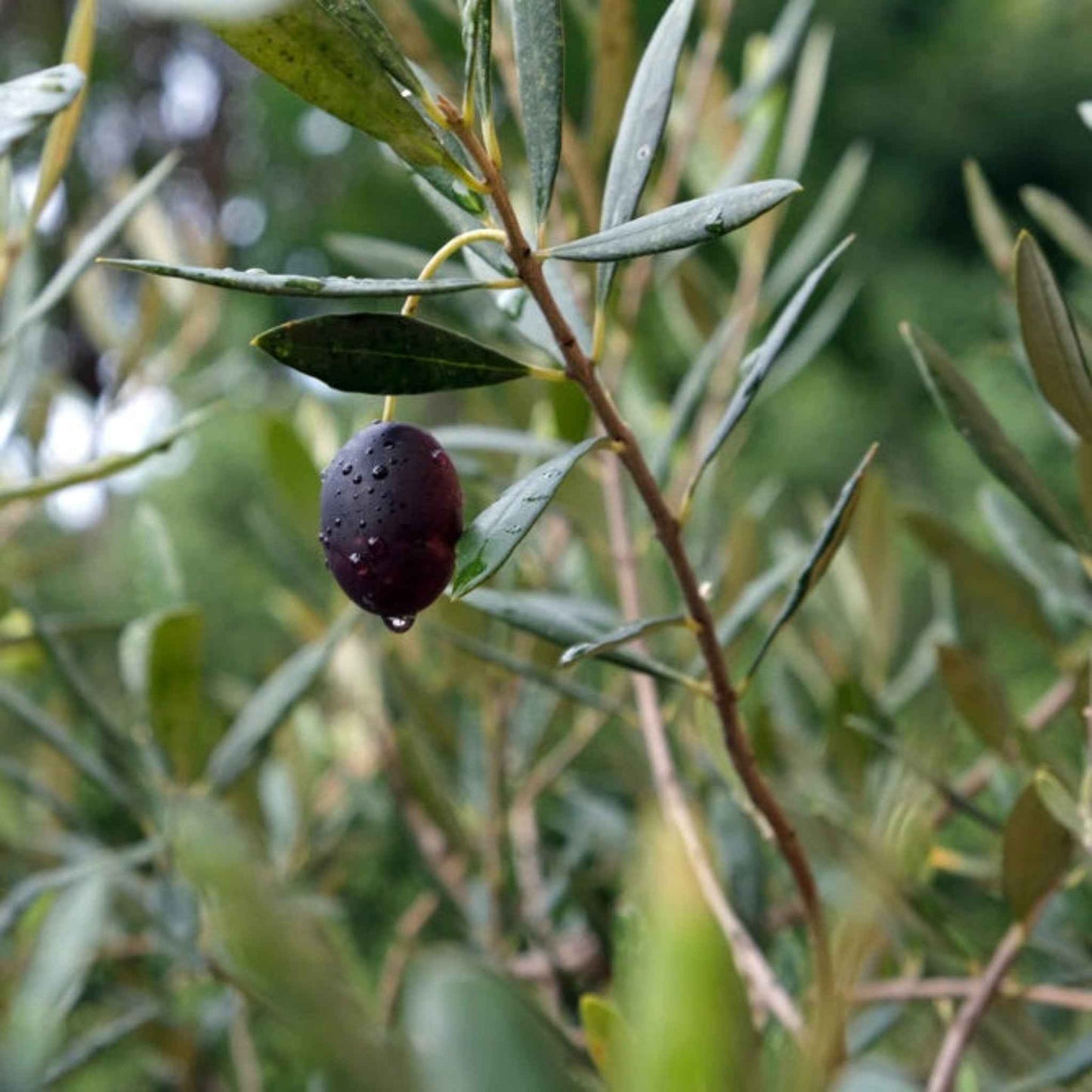
Mission Olive Tree
Mission Olive Tree
Verfügbarkeit für Abholungen konnte nicht geladen werden
Understanding the Olive Tree
The olive tree is a symbol of peace and abundance, known for its resilience and longevity. Originating from the Mediterranean region, the olive tree has been cultivated for thousands of years for its fruit and oil, which are staples in many diets and cultural practices around the world. With its silvery-green leaves and gnarled trunk, the olive tree is not just a source of food but also a beautiful addition to any landscape.
Here are some key aspects of the olive tree:
- Adaptability: Olive trees thrive in various soil types and can endure drought conditions.
- Cultural Significance: Olive branches are recognized worldwide as symbols of peace.
- Health Benefits: Olive oil is rich in healthy fats, antioxidants, and anti-inflammatory compounds.
- Longevity: Olive trees can live for centuries, with some reported to be over a thousand years old.
In addition, olive trees require minimal maintenance once established. They are often grown in orchards, but can also be cultivated in home gardens, adding beauty and value to your property. The production of olives and olive oil contributes significantly to local economies.
Caring for an olive tree involves ensuring it is planted in well-drained soil with adequate sunlight. Regular pruning and pest management may also be necessary to promote healthy growth. With proper care, your olive tree can produce fruit for many years, providing a sustainable source of food.
Each year, the olive harvest yields an incredible quantity of olives, which are either processed for oil or brined for table olives. The versatility of the olive tree and its products make it a valuable asset to households and communities alike.
Share